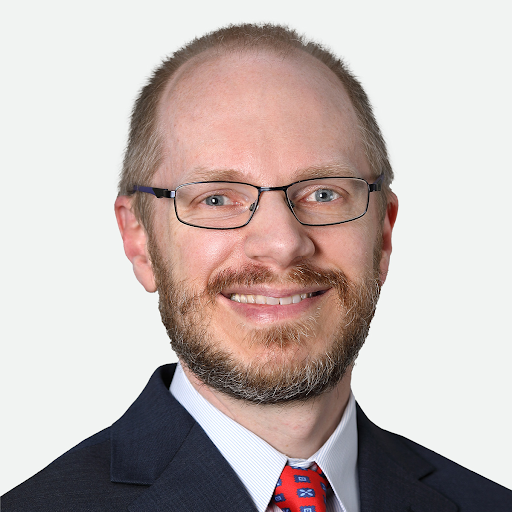
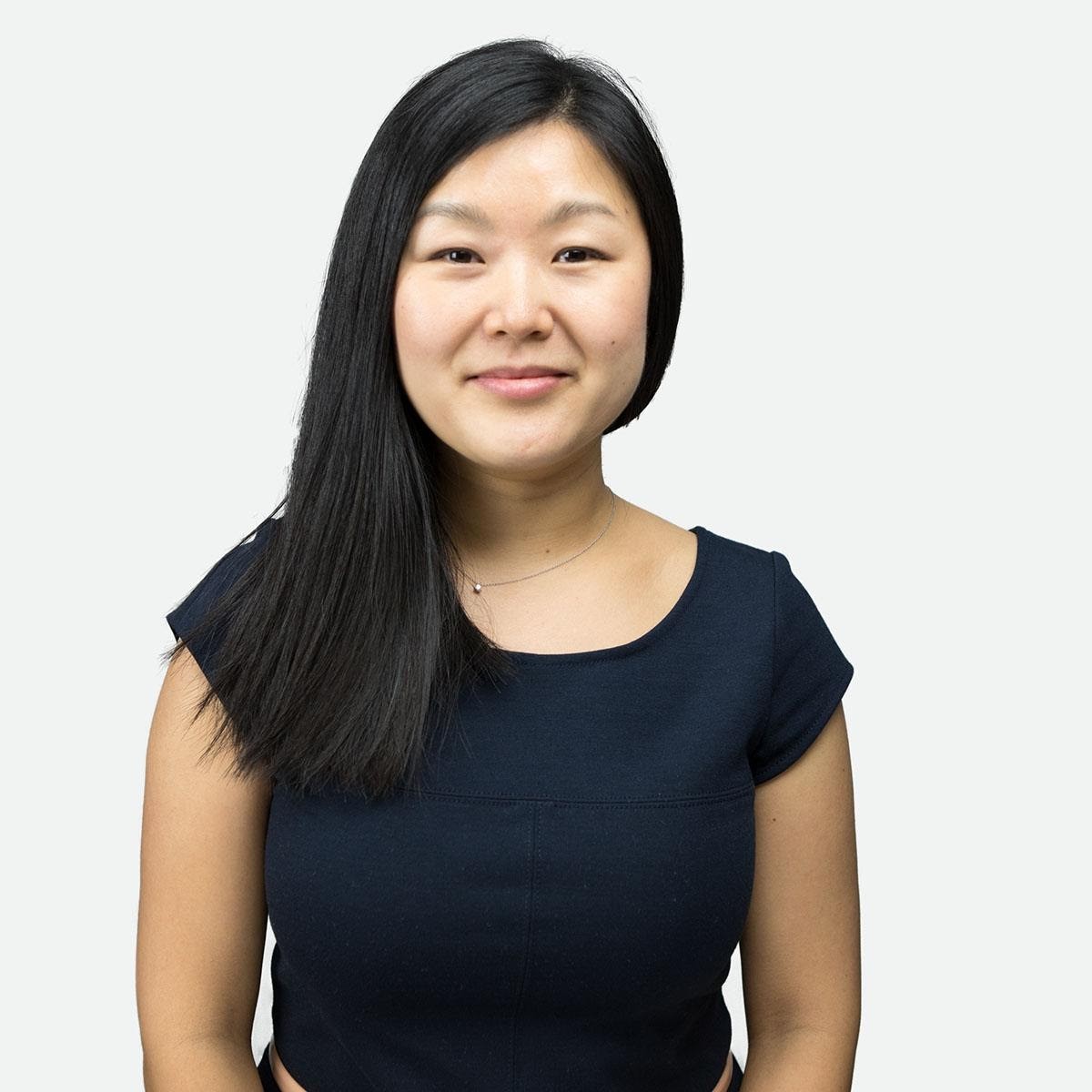
Kick off Science Day with opening remarks from program leaders and partners. This session will highlight recent progress of the All of Us Research Program, how collaboration is advancing more effective and impactful health research, and what’s ahead for the program and its growing community.
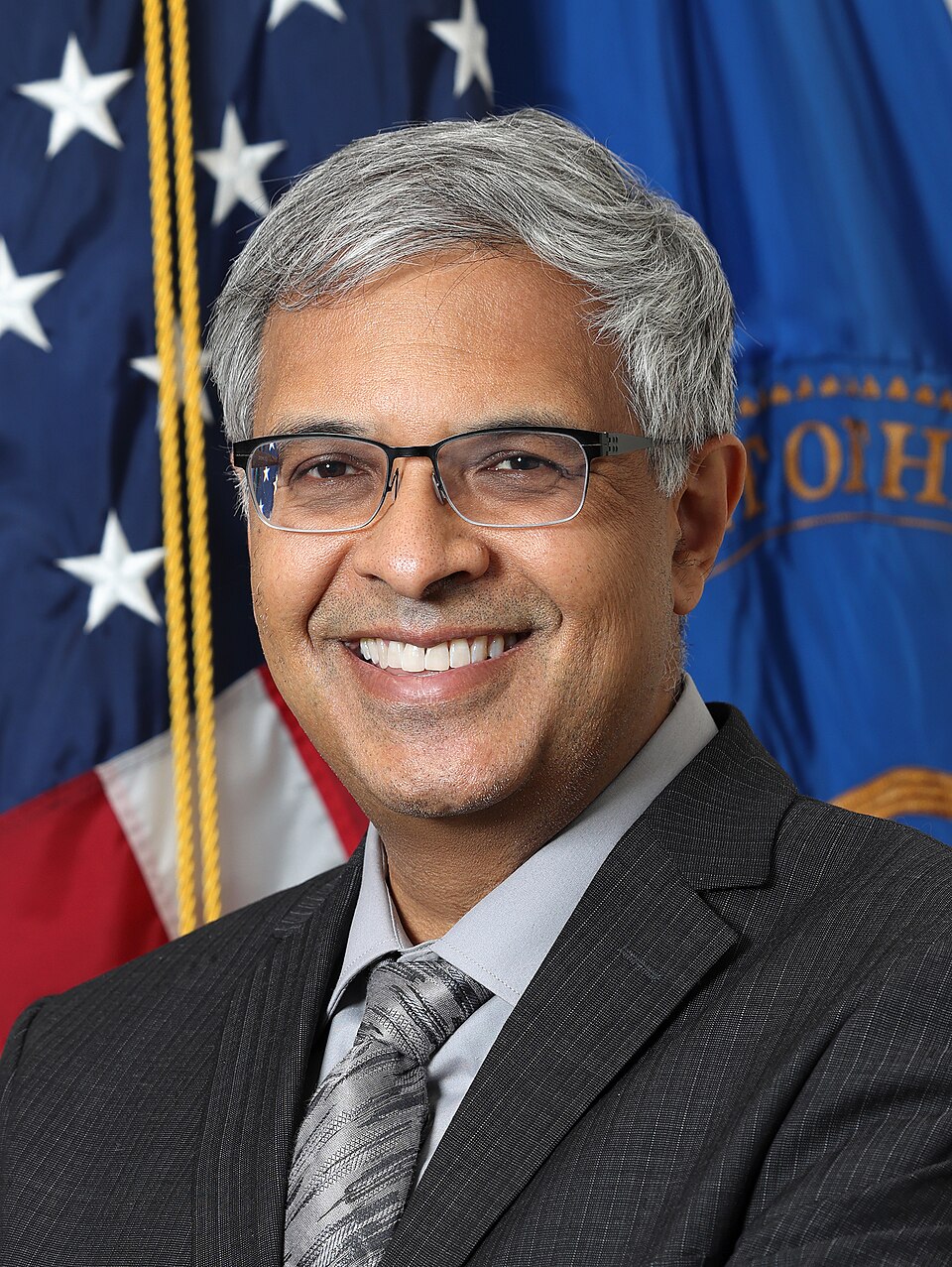
Learn how genes influence health and why studying populations matter. This session highlights how genetic research can lead to more personalized and effective care for people from all backgrounds.
Learn how daily habits like sleep, activity, and environment affect health. This session shows how small changes in behavior can lead to meaningful improvements in well-being.
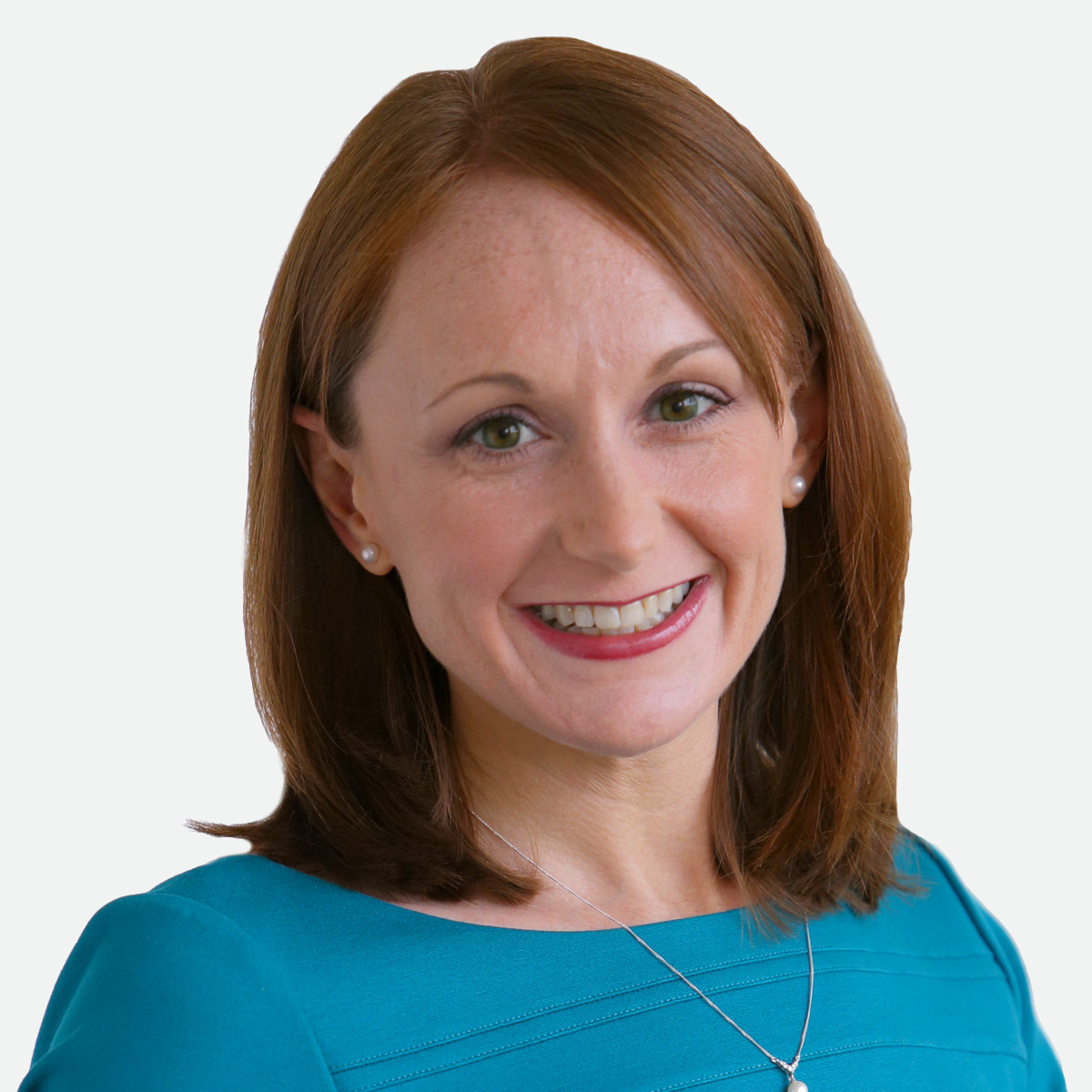
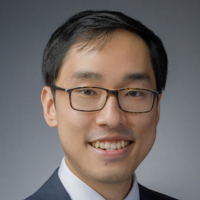
Learn how research is improving real-world health care. This session highlights studies on how treatments are used and how to make care more effective and patient-centered. See how research findings move beyond publications to improve outcomes for patients today.
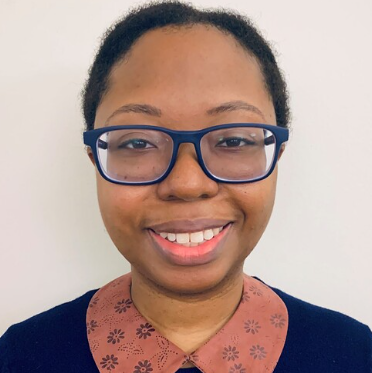

Explore how diseases begin, change over time, and affect people differently. This session covers research on genetics, symptoms, and early warning signs to better understand health conditions and support earlier detection, improved prediction, and more personalized care.
Health is shaped by many factors. This session shows how researchers bring together data from medical records, surveys, devices, and lived experiences to get a fuller picture of health.
Health is influenced by more than biology alone. This session explores how environment, social factors, ancestry, and identity work together to shape health outcomes and differences across communities.
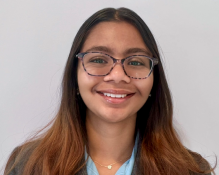
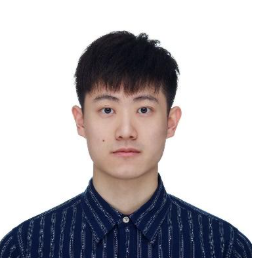
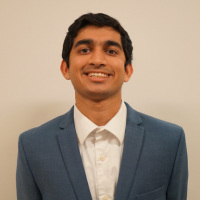
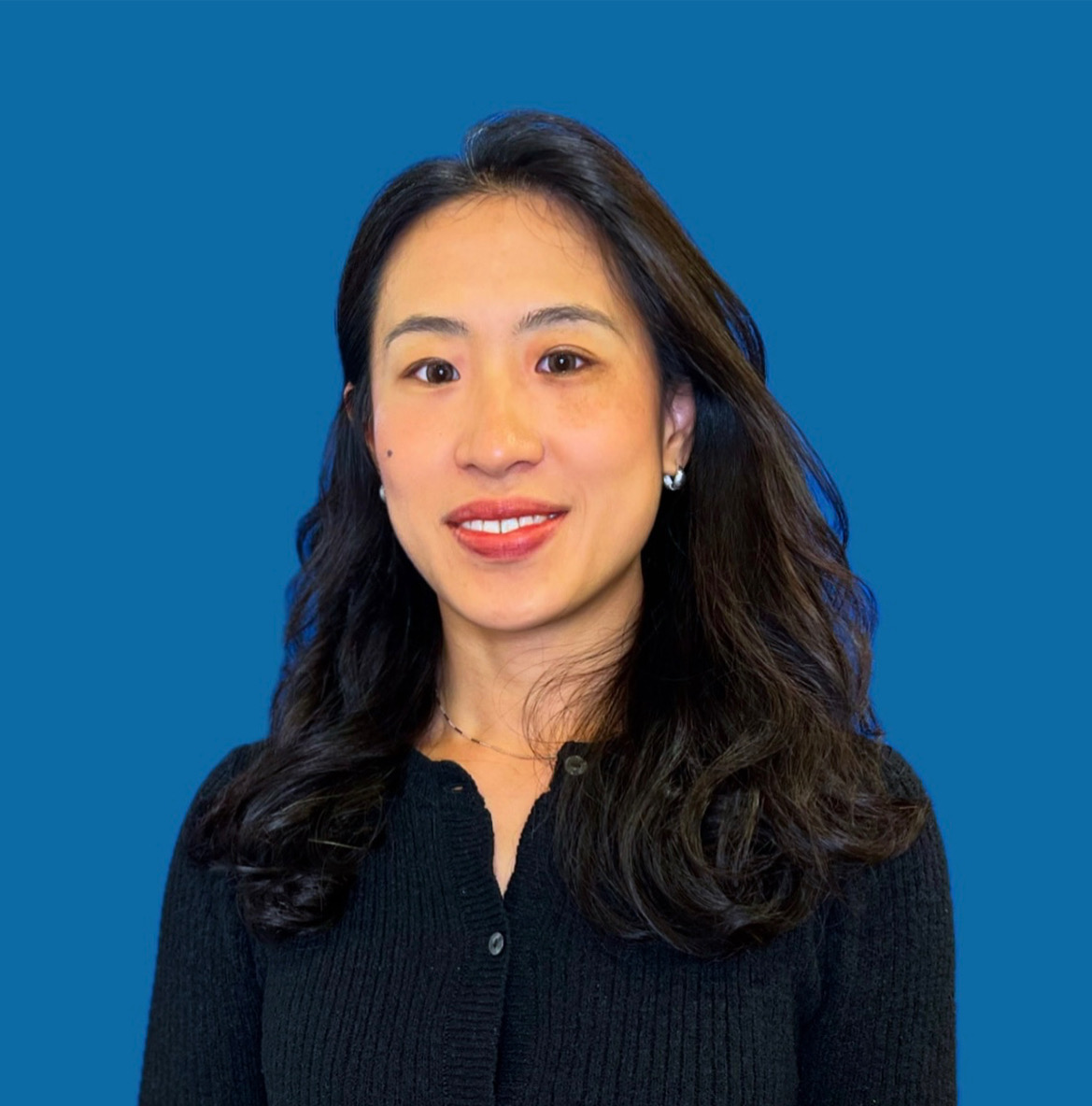
Hear from a leading expert in health research on how discoveries are being translated into real-world care. This keynote will highlight how tools like polygenic risk scores are helping predict disease risk and move research findings closer to everyday clinical use.
Explore how factors like income, education, neighborhood, and access to care influence health. This session highlights research aimed at reducing health gaps and improving outcomes across communities.
This session explores research on mental well-being, recovery, and brain-related conditions. Learn how new findings may improve care, reduce stigma, and support healthier lives.

We want to hear from researchers! Join this session to learn about Researcher Workbench 2.0, including the migration timeline and a preview of new features. Share feedback with program staff, ask questions, and help shape future enhancements.
Learn how to communicate research clearly and effectively by turning complex concepts into clear, impactful messages, with practical strategies, tools, and real-world examples from community partners.
Step into the role of a data detective in this interactive session. Learn how to use the All of Us data browser to explore health data and try simple, hands-on analyses.
Curious how data from wearable devices like Fitbit are transforming health research? Join this session to hear from experts using wearables in real-world studies, learn best practices, and explore the research questions they can help answer.
Artificial intelligence and machine learning (AI/ML) are transforming how we study health and disease. In this interactive workshop, explore how these tools can unlock insights from All of Us data, with practical examples and key considerations.
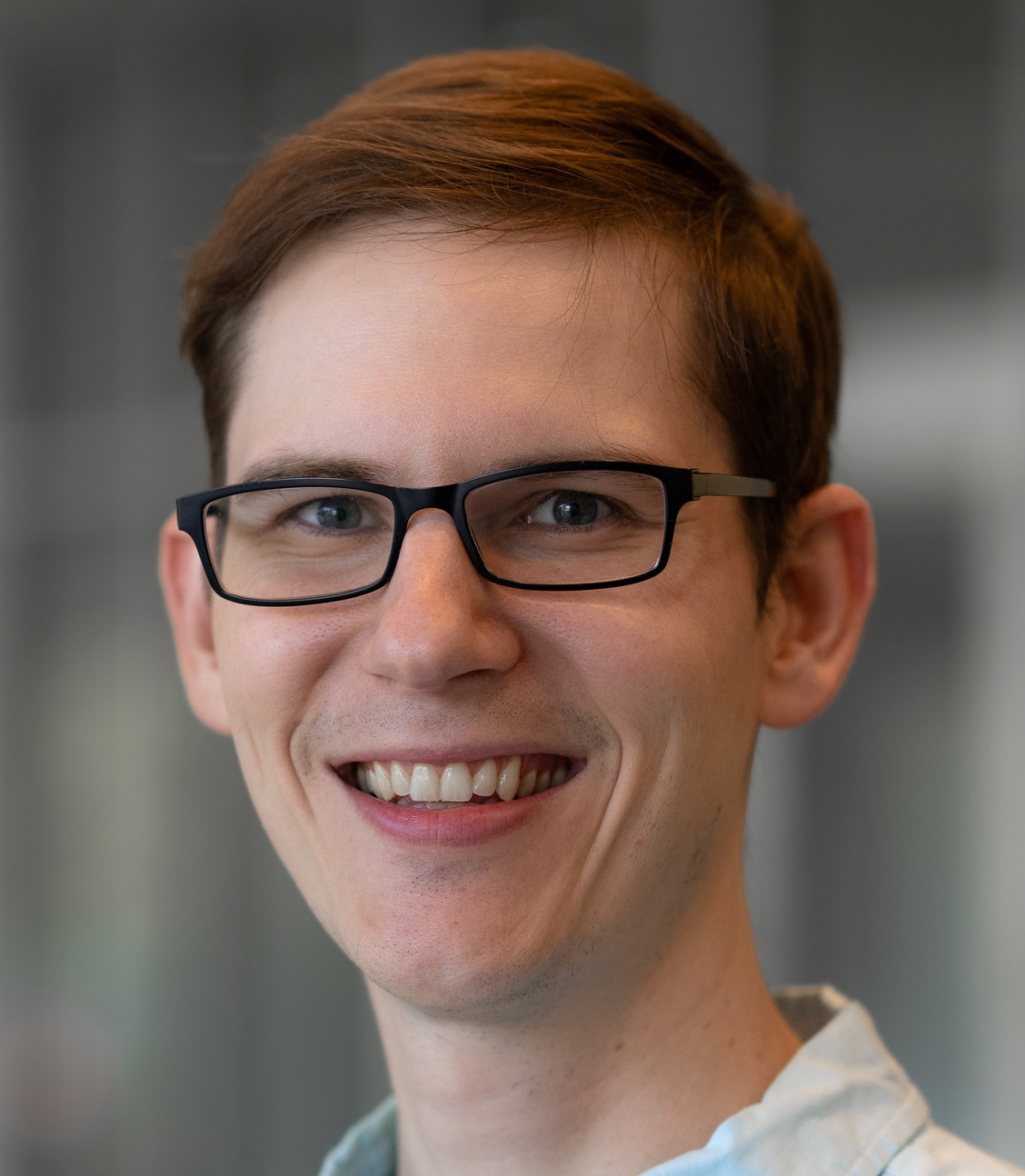
Hear directly from All of Us participants in a moderated conversation. Participants will share their journeys and how the program has shaped their views on health, research, and community, highlighting the real-life impact behind the data.
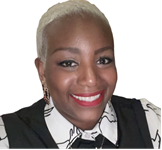
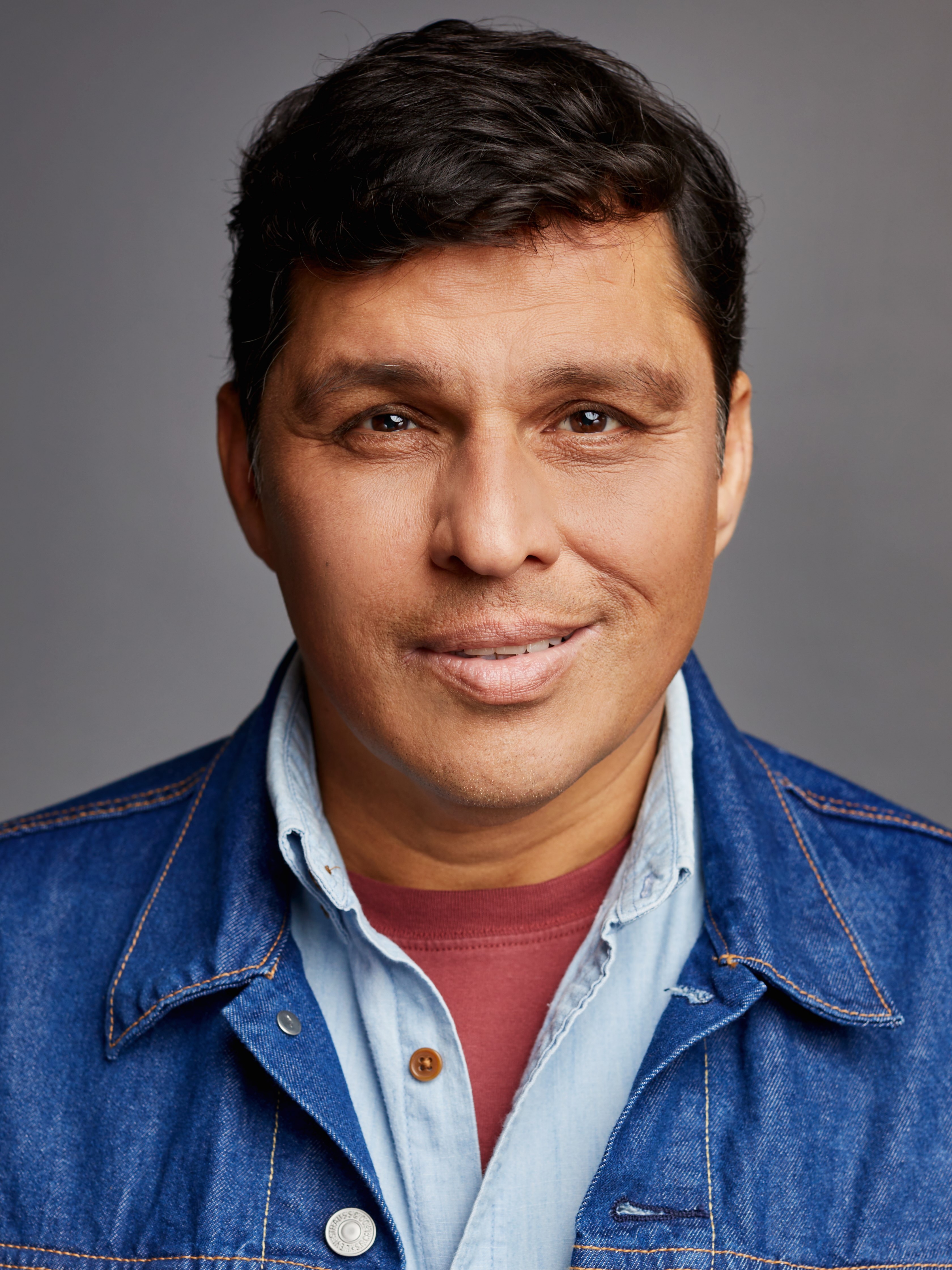
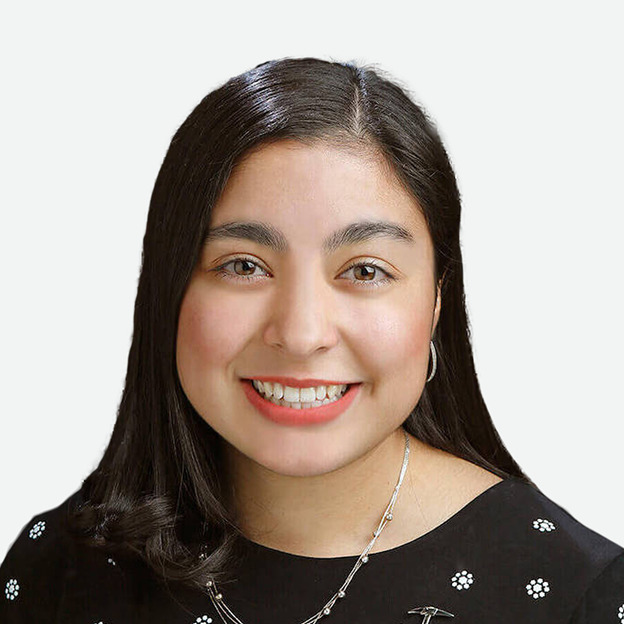
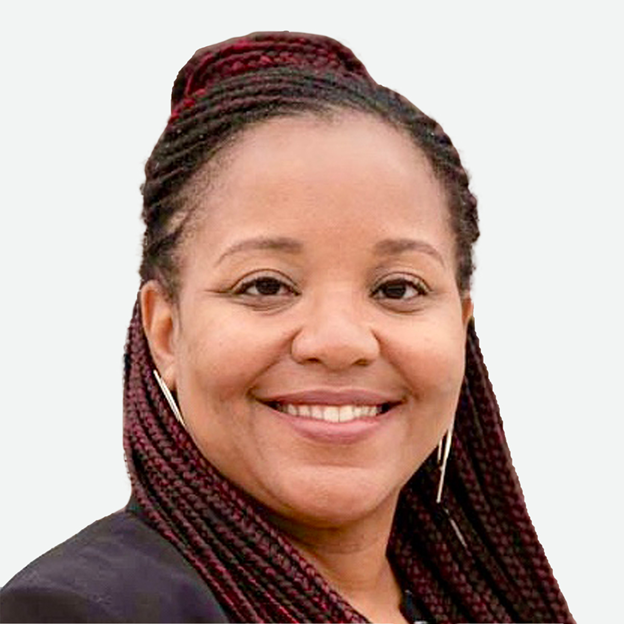
Learn how researchers are finding better ways to predict and prevent serious conditions like heart disease and liver disease. This session explores how genes, environment, and clinical data can help identify people at higher risk and support earlier, more personalized care.
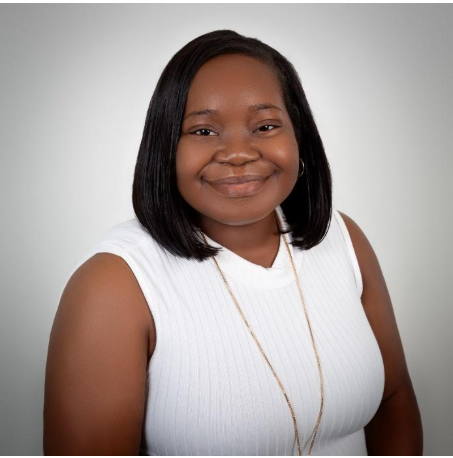
See how data science, artificial intelligence, and new tools are transforming health research. This session shows how large-scale data can help turn discoveries into real-world solutions.
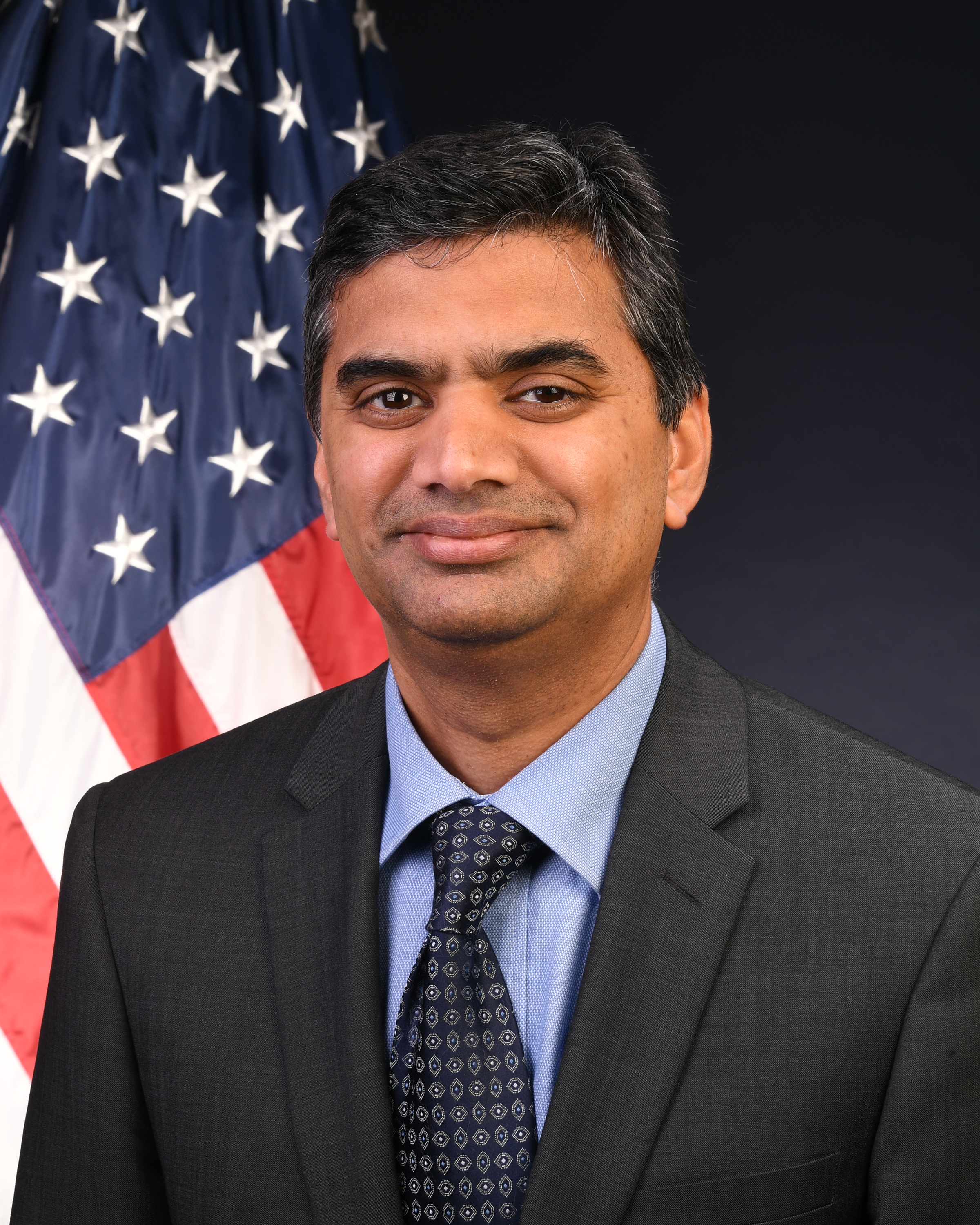

Close out the day with real-world research in action. Hear from researchers using All of Us data to study genetic risk, cancer prediction, and how people respond to food, followed by a live Q&A with program leaders. We will also announce the Community Award and People’s Choice Award winners during this final session.